
Digging to the Right Depth Before Structure Goes In
Excavation in White House for driveways, footings, and site prep where depth and footprint have to be set correctly before building can proceed
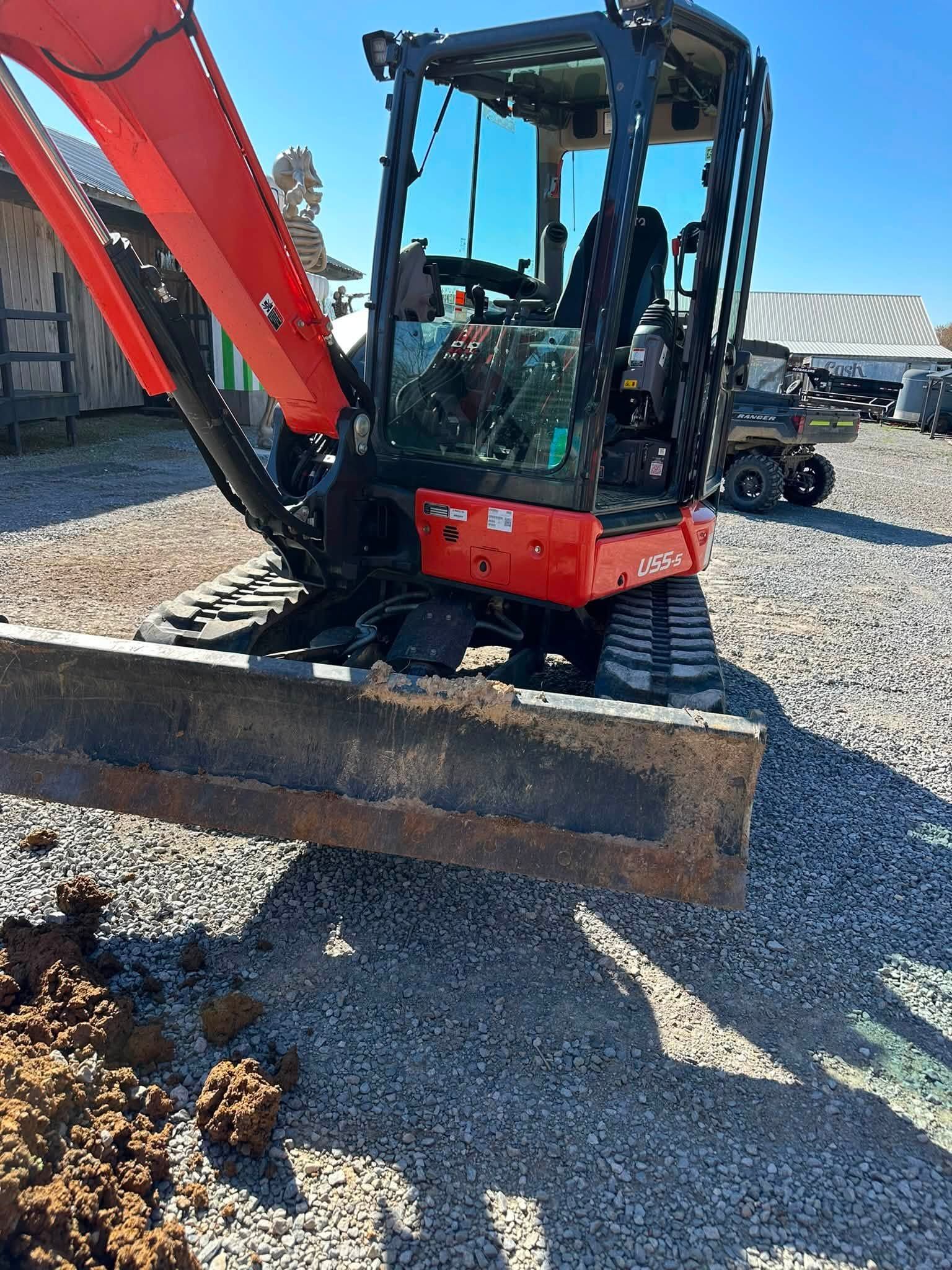
Excavation connects the surface of a cleared and graded site to the depth where a footing, driveway base, or utility line actually has to be. On rural properties in White House, that work requires equipment operated by people who understand the full site sequence, not just the dig itself. TCS Land Management performs excavation using equipment the owner's crew runs directly, and because the owner works the job himself, the excavation is planned and carried out by the same people who handle the clearing and grading around it. That means the dig depth, spoil placement, and finished footprint are set with the next phase of work already accounted for.
Every excavation job is scoped on site before equipment moves. The crew digs to the agreed depth and footprint, then hauls or spreads spoil according to what was confirmed at the start. Nothing about the scope shifts mid-job because the decisions were settled on the ground before the first cut. For porch footings and driveway installations on rural parcels, this matters because the depth and footprint tolerances affect whether the concrete or base material that follows will perform as intended.
Arrange a site walkthrough to define the excavation footprint, set the target depth, and confirm spoil handling before the crew arrives.
Why Excavation Scope Is Set Before Any Digging Starts
Excavation produces a hole to a specific depth and shape, and adjusting that scope after digging has begun creates rework that affects both the timeline and the cost of everything that follows. TCS Land Management sets the excavation scope on site specifically because the conditions that determine depth and footprint—root mass location, existing grade, proximity to a fence or structure, and where spoil can realistically go—are things the operator has to see directly rather than estimate from a plan. The owner running the equipment is what makes that site assessment and the execution continuous rather than separated.
After excavation is complete, the result is a defined, stable opening at the agreed depth and footprint with spoil handled as confirmed. For a footing excavation, the walls and floor of the dig are at the specified dimensions and ready for form placement. For a driveway cut, the excavated corridor matches the planned width and depth for the base material that follows. What you will not find is spoil piled in a location that blocks the next phase of work or a dig that is off-dimension and requires adjustment before concrete or base can go in.
Spoil handling on rural acreage is a genuine variable. Excavated material can be spread on-site in a designated area, stockpiled for use as fill elsewhere on the parcel, or hauled away if it cannot be used. That determination is made before the job starts because it affects how the crew sequences the work and where the equipment needs to travel to clear the dig area efficiently.
What Property Owners Ask About the Work
Excavation for footings, driveways, and site prep on rural White House properties involves depth, footprint, and spoil decisions that are specific to each site. The answers below address how those decisions are made and what the finished work looks like.
How is the excavation footprint and depth confirmed before digging starts?
The scope is walked and agreed on site before equipment moves. Depth requirements are set by what the excavation is for—footing depth is determined by the structure requirements, driveway cut depth by the base material specification—and those dimensions are established before the first pass.
What happens to the spoil material after the excavation is complete?
Spoil handling is confirmed as part of the pre-job scope. Material can be spread in a designated area on the parcel, stockpiled for fill use elsewhere on the property, or removed from the site entirely depending on what the property needs and what was agreed before work began.
How does running clearing, grading, and excavation with the same crew affect how the excavation is planned?
When the same crew handles the full site sequence, the excavation is planned with the cleared and graded conditions already known. The dig footprint, spoil path, and equipment travel route are set to work within the finished grade rather than treating the excavation as an isolated task.
What does a correctly finished footing excavation look like before concrete is placed?
The walls are at the specified width, the floor is at the target depth, and the bottom is stable and free of loose material that would compress under load. On White House rural properties where the subsurface may carry root mass from prior clearing, confirming the floor condition before forming is part of how the crew hands off the dig.
Why is on-site scoping more reliable than estimating excavation depth from a plan?
Actual ground conditions—existing grade, subsurface material, root intrusion, and proximity to adjacent structures—affect both the dig sequence and the finished dimensions in ways a plan drawn from survey data alone cannot fully capture. Scoping on site means the depth and footprint are set to what the ground actually requires.
TCS Land Management also performs excavation in Portland, Springfield, Gallatin, and Cross Plains. To walk the site, confirm the dig scope, and set spoil handling before work begins, call TCS Land Management at (615) 723-7405.